
Food Assistance Programs: A Comprehensive Guide to Nourishment & Financial Stability
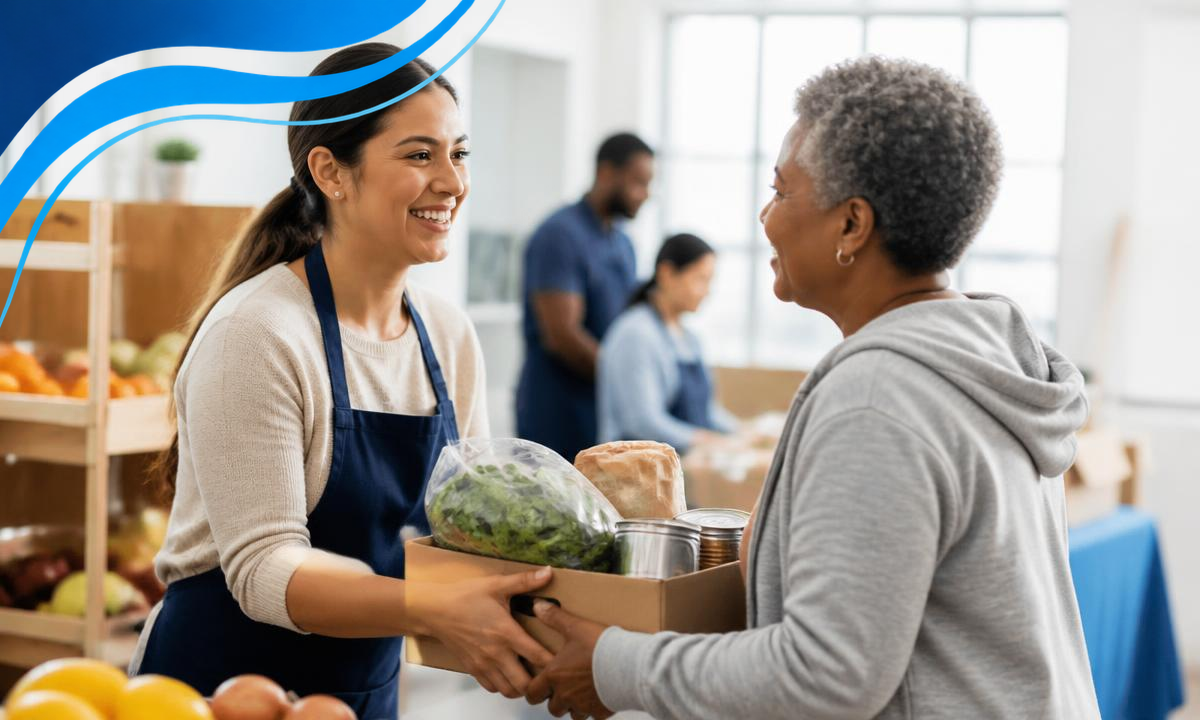
Food insecurity can affect many individuals and families, including those who are working, older adults, parents, students, and people facing unexpected job changes. When affording groceries becomes difficult, various food assistance programs can offer crucial support. These programs help protect both your nutrition and household finances, providing essential stability.
More than just providing meals, these programs can create vital breathing room in a tight budget. They also help reduce the stress that often comes with uncertainty about how food needs will be met each month.
In the United States, support comes from federal and state programs, along with initiatives from schools and local community organizations. Some programs provide monthly grocery aid via an EBT card, similar to a debit card.
Other forms of help include school meals, food packages specifically for seniors, or immediate food assistance from local pantries. This guide aims to bring together the major options, making it easier to understand what support is available to you and your loved ones.
Understanding Food Assistance Programs
These programs are public and community-based services. They assist people in accessing groceries, meals, and nutritional support when financial resources are limited. In the U.S., these services often cater to low-income households, children, pregnant women, seniors, and individuals in areas with limited food access. They form a critical part of the nation’s safety net.
Defining Key Terms and Food Insecurity
You might hear various terms used, such as “food stamps,” SNAP benefits, or “low-income food programs.” “Food stamps” is an older term still commonly used by many. Today, the largest initiative is the Supplemental Nutrition Assistance Program, known as SNAP. Benefits are typically delivered through an EBT card.
An EBT card functions much like a debit card at approved stores, offering a convenient way to purchase eligible food items. Food insecurity means a household does not always have consistent access to enough food for an active, healthy life. This is a significant concern nationwide.
According to the USDA Economic Research Service, food insecurity remains a serious issue. This is true even in communities where grocery stores and food supplies appear widely available, highlighting a persistent challenge for many.
Government programs offer substantial help, but they are not the sole providers of support. School districts, tribal organizations, food banks, pantries, meal programs, and local nonprofits all work together to fill various gaps. These combined efforts create a comprehensive network of assistance for those in need.
SNAP Benefits: Your Gateway to Healthy Eating
SNAP stands as the largest federal food assistance program across the United States. It helps eligible households purchase food each month, providing families with greater flexibility in their shopping and meal planning. SNAP benefits are loaded onto an EBT card for easy use.
This EBT card is accepted at many grocery stores, supermarkets, and convenience stores. You can also use it at some farmers’ markets, and in many states, through approved online retailers. This widespread acceptance makes accessing nutritious food more convenient.
Eligibility for SNAP
Eligibility for SNAP benefits primarily depends on your household size, income levels, and certain expenses. Immigration or citizenship rules can also play a role. Generally, gross monthly income must be at or below a specific percentage of the federal poverty level.
Net income rules are also applied, and some households might undergo asset tests, although many states have eased these requirements. Work rules may apply to some adults, particularly those who are able-bodied and without dependents.
Because individual states manage SNAP, the precise details can vary significantly. This means that application processes and specific requirements might differ depending on where you live. For official guidance, the USDA Food and Nutrition Service SNAP page is an excellent resource.
What SNAP Benefits Cover
SNAP benefits are typically used for foods intended to be prepared and eaten at home. This includes a wide array of items such as fruits, vegetables, dairy products, and various types of meat, poultry, and fish. Bread, cereal, and snack foods are also generally covered.
However, SNAP usually does not cover alcohol, tobacco, vitamins, or medicines. Pet food is also excluded, as are most hot prepared foods that are ready to eat. The program aims to help households access basic groceries, not replace all food spending.
For many families, SNAP provides more than just food; it frees up money for other critical expenses. This can include rent, utility bills, transportation costs, and medical care. This financial stability can help reduce reliance on credit cards or skipping important bills.
Even temporary benefits from food programs can be instrumental in helping a household recover after an unexpected crisis. This crucial support can significantly ease financial burdens during challenging times.
How to Apply for SNAP
To apply for food assistance through SNAP, your first step should be contacting your state’s SNAP agency. Many states now offer convenient online application systems. Other options, such as phone, mail, or in-person applications, may also be available.
You will typically need to provide certain documents. These often include identification, proof of income, details about your address, and information concerning household members and their expenses. Most applicants also complete an interview, which is frequently conducted by phone.
Always use your state’s official website to confirm current rules and requirements before submitting any documents. Eligibility criteria and processing timelines can change, so up-to-date information is essential for a smooth application process.
WIC Program: Nurturing Mothers and Young Children
The WIC program offers vital support to pregnant women, postpartum women, and breastfeeding women. It also assists infants and children up to age five who meet specific income and nutritional risk requirements. WIC is a highly targeted federal food program.
Its focus is on early nutrition, supporting healthy pregnancies, and promoting child development during crucial early years. This foundational support can have significant long-term positive effects on the health and well-being of mothers and young children.
WIC Eligibility Guidelines
WIC eligibility is determined by several important factors. First, you must fit one of the program categories, such as being pregnant or caring for a child under five years old. This ensures the program reaches its intended beneficiaries.
Second, your household must meet specific income guidelines, which are often linked to a percentage of the federal poverty level. Third, a health professional or WIC staff member must identify a nutritional risk. What are the income limits for WIC? This answer varies by household size and is regularly updated.
Understanding WIC Benefits
WIC benefits differ from SNAP benefits. Instead of offering broad grocery purchasing power, WIC provides a selection of approved foods specifically chosen to support particular nutritional needs. These foods are designed to address the unique dietary requirements of its participants.
Approved foods can include milk, eggs, cereal, peanut butter, and a variety of fruits and vegetables. Whole grains, baby food, and formula are also provided in qualifying situations. WIC extends beyond food, offering nutrition education, breastfeeding support, and referrals to healthcare and community services.
This broader network of support is incredibly valuable. Families receiving WIC might also need assistance with parenting costs, housing, or healthcare access. WIC helps connect them to these additional resources, ensuring comprehensive care.
How to Apply for WIC
WIC applications are managed through local clinics or state WIC agencies. You can typically start by calling a nearby office or using your state’s WIC locator tool. Applicants often attend an appointment for an in-depth review.
During this appointment, staff will review your income, identity, address, and relevant health or nutrition information. If your application is approved, benefits may be issued electronically, depending on the system used in your state.
For the most current information, refer to the USDA WIC program page. Since clinic procedures can vary by state, directly contacting a local office is often the quickest way to understand what documents to bring and how soon benefits can begin.
Nutritious Meals for Children: School & Summer Programs
Children’s nutrition assistance encompasses several programs that operate throughout the school year and beyond. The National School Lunch Program and School Breakfast Program ensure students have access to balanced meals during school days.
When school is out, the Summer Food Service Program steps in to bridge the gap, providing nutritious meals during breaks. Additionally, the Child and Adult Care Food Program supports healthy meals and snacks in childcare and certain adult care settings, ensuring consistent nutrition.
Eligibility for Children’s Programs
Eligibility for school meals often depends on household income. However, some children automatically qualify if their household receives certain benefits, or if they are in foster care, experiencing homelessness, or part of migrant education programs.
Rules can vary based on district participation and community eligibility options. Families should always check with their child’s school or district office for the most current application methods and deadlines.
Benefits of Children’s Nutrition Programs
The benefits of food assistance programs for families are especially clear in these initiatives. A child who receives breakfast and lunch at school may arrive in class more focused and less distracted by hunger, enabling better learning outcomes.
Parents may also find it easier to manage their grocery budget at home when regular school meals reduce the overall pressure on monthly food expenses. This support alleviates a significant financial burden for many households.
The Summer Food Service Program is particularly crucial when classes are not in session. Free meals may be served at various community sites, including schools, libraries, parks, and recreation centers. This ensures children continue to receive nutrition outside of the academic year.
The Child and Adult Care Food Program further helps children in daycare settings and adults in eligible care programs. It provides dependable nutrition throughout the day, supporting their health and well-being in structured environments.
How to Access These Programs
Application steps depend on the specific program. School lunch and breakfast applications are typically managed by the local school district. It is best to contact your child’s school for details.
Summer meal sites might not require a traditional application at all, depending on their location and service model; many are open to all children. Access to childcare-based meals is often arranged directly through the participating care provider. Ask your school, local childcare center, or state education agency for guidance.
TEFAP: Supporting Food Banks and Communities
The Emergency Food Assistance Program, commonly known as TEFAP, facilitates the distribution of USDA foods into communities. It works through a network of food banks, pantries, soup kitchens, and similar local providers.
Unlike direct-to-consumer programs such as SNAP, TEFAP primarily operates behind the scenes. It strengthens the organizations that distribute food, making it simpler for local sites to offer groceries or prepared meals to individuals needing immediate help.
TEFAP Eligibility
Eligibility rules for TEFAP can vary considerably by state and by the specific local provider. Some sites may use income-based guidelines to determine who qualifies for assistance. Others might focus more on emergency need or specific household circumstances.
Due to the local administration of TEFAP, the quickest way to understand what is required for assistance is to contact a nearby food pantry or food bank directly. They can provide the most accurate and up-to-date information.
Benefits of TEFAP
TEFAP plays a crucial role in supporting emergency food assistance at the community level. Families accessing this help may receive a variety of foods, including shelf-stable items, fresh produce, dairy products, and frozen proteins.
The specific items available depend on the local inventory at the distribution site. For households awaiting a decision on their SNAP application, TEFAP-backed pantries can offer essential short-term support, helping to bridge nutritional gaps.
Accessing TEFAP Support
Most individuals do not apply for TEFAP directly through a federal portal. Instead, they access assistance by visiting local partner organizations. If you are searching for food banks near you, begin with a simple zip code search.
When you contact a site, inquire whether they distribute USDA foods, what their operating hours are, and if identification or proof of address is needed. These practical questions will help you understand how to best utilize their services.
Commodity Supplemental Food Program: Nutritional Support for Seniors
The Commodity Supplemental Food Program, or CSFP, is specifically designed for low-income adults aged 60 and older. It stands as one of the clearest examples of food assistance tailored for seniors, focusing on their unique nutritional needs.
CSFP offers monthly food packages intended to supplement an older adult’s diet. While its operation may vary by region, the program remains an important source of support wherever it is available to seniors.
CSFP Eligibility
Applicants for CSFP generally must meet both age and income requirements. Because local agencies manage service areas and enrollment, there may also be waiting lists or specific distribution schedules to be aware of.
Seniors who are unsure where to begin can call local aging services, community action agencies, or food banks. They can inquire whether CSFP is offered nearby and how to access its benefits.
Benefits of CSFP
Monthly food packages from CSFP may include items such as shelf-stable milk, cereal, and canned fruits and vegetables. Pasta, rice, peanut butter, and various protein items are also often included.
These foods are carefully chosen to support the nutritional needs of older adults and to help extend limited retirement incomes. For seniors balancing groceries with expenses like medicine and utilities, this support can significantly ease recurring financial strain.
How to Apply for CSFP
Applications for CSFP are typically completed through local distribution agencies rather than a national portal. Seniors may be asked to provide proof of age, income, and residence to confirm their eligibility.
Connecting with local services is the most direct way to understand the application process.
Food Distribution Program on Indian Reservations: Culturally Relevant Food Aid
FDPIR serves income-eligible households residing on Indian reservations and certain approved Native American households in adjacent areas. This program offers an important alternative to SNAP in communities where grocery access may be limited.
It can also be a better fit where a direct food distribution model aligns more effectively with local needs and preferences. FDPIR acknowledges the profound connection between geography, culture, and access to nutritious food.
FDPIR Eligibility
Eligibility for FDPIR is based on income, location, and specific household participation rules. Generally, applicants choose between receiving FDPIR and SNAP benefits, rather than both.
It is therefore important to compare how each option aligns with your shopping access, transportation availability, and household food preferences. This choice ensures the most suitable support.
Benefits of FDPIR
FDPIR directly provides USDA foods, and participating organizations work diligently to enhance both the nutritional quality and cultural relevance of these offerings. This focus is especially meaningful in rural or remote areas.
In such regions, SNAP-authorized stores may be difficult to reach, making FDPIR a critical resource for food security. The program helps ensure communities receive food that respects their traditions.
How to Apply for FDPIR
Households typically apply for FDPIR through the tribal organization or local FDPIR administrative office serving their specific area. Staff members at these offices can provide clear explanations of current eligibility requirements.
They can also detail distribution methods and guide you through the necessary steps to enroll in the program.
Finding Food Near You: Food Banks, Pantries & More
Federal food assistance programs are undoubtedly important, but local community help often provides the most immediate difference during urgent moments. Food banks, meal sites, church pantries, and community fridges can offer same-day or next-day support.
These local options are particularly helpful if you are awaiting a benefit decision, or if you are still determining which programs best suit your household’s needs. They provide flexible and timely assistance.
When seeking local support, start with a zip code search and ask practical questions. For example: On what days are groceries available? Is an appointment necessary? Do they accept walk-ins? Can someone else pick up food for you?
Also inquire about additional resources, such as diapers, hygiene supplies, or senior delivery options. These details are important, especially if transportation, work schedules, or caregiving responsibilities present barriers to access.
The Feeding America network is a valuable resource that can help individuals locate nearby food banks and pantries throughout the country. Local schools, libraries, and hospitals are also often knowledgeable about where to find help.
Additionally, 2-1-1 referral lines can connect you with resources for food insecurity in your specific area. Local support often extends beyond just groceries, linking families to housing assistance, utility help, and case management services.
How to Apply for Food Assistance: A Simplified Guide
If you feel overwhelmed by the process, it can be helpful to focus on one step at a time. Most food assistance applications follow a similar path, even when programs have different focuses. A little preparation can make the entire process smoother and help reduce potential delays.
1. Identify the Most Suitable Program
Begin by considering your household’s specific needs. SNAP provides broad grocery support for many. WIC is tailored for pregnant women, new mothers, infants, and young children, focusing on early nutrition.
School and summer meal programs primarily assist children. CSFP offers nutritional support specifically for seniors. TEFAP and local pantries are excellent resources for emergency situations. Remember, some families may qualify for more than one program simultaneously.
2. Gather Necessary Documents
Commonly requested documents include a photo ID, proof of address, and verification of income. You might also need Social Security numbers for household members, rent or mortgage information, and utility bills.
If applicable, immigration documents may be required. WIC applications might also involve a nutrition or health assessment. If you do not have every document immediately, it is still advisable to apply and then inquire about providing missing items later.
3. Submit Your Application
Many state agencies offer the convenience of online application submissions. Local offices may also accept applications via mail, phone, or in person, providing multiple access points.
It is wise to keep records of your submission, such as screenshots, confirmation emails, or paper copies. If an interview is part of the process, make sure to attend it as scheduled, or promptly call to reschedule if necessary.
4. Follow Up on Your Application
Actively check your mail, email, text messages, or the online portal for any requests for additional information. Missed notices are a frequent cause of delays in processing applications.
If your application is denied and you believe the decision is incorrect, immediately inquire about the appeal process. Understanding your rights and options is crucial.
If paperwork feels confusing, learning to streamline your application for social benefits can offer more tips for organizing documents and navigating benefit systems with less stress.
Frequently Asked Questions About Food Assistance
Can undocumented immigrants receive food assistance?
Rules vary significantly by program. Some federal programs require specific immigration statuses for direct eligibility. However, families with mixed statuses may still be able to apply for eligible children or other household members who meet criteria.
School meals and emergency community food services may also be accessible regardless of immigration status in certain situations. Always consult the local agency to understand how these rules apply to your particular household.
Is it possible to use an EBT card for online purchases?
In many states, yes, online EBT purchasing has expanded significantly. However, the list of approved retailers and specific rules regarding delivery fees can vary by state. It is always best to check your state’s SNAP website or the retailer list before placing an online order.
How long do food assistance benefits typically last?
The duration of benefits depends entirely on the program. SNAP usually requires periodic recertification to continue receiving aid. WIC participation also follows specific certification periods, which need renewal.
Eligibility for school meals typically applies for the academic year. Assistance from food pantries, however, may be available as needed, based on local rules and your circumstances.
Can someone receive SNAP benefits and also visit a food pantry?
Yes, in many cases, this is permissible and common. Food pantry services often serve as a supplement to SNAP benefits. This is especially helpful when SNAP funds run low before the month concludes, or when a family faces an unexpected emergency.
What if I work but still struggle to afford food?
You may still qualify for assistance. Many working households receive SNAP benefits or utilize school meal programs and local pantries to supplement their food budget. Employment alone does not automatically disqualify you from receiving support.
Beyond the Plate: The Broader Benefits of Food Assistance
Food assistance programs do much more than simply reduce hunger. They play a crucial role in safeguarding health, enhancing school readiness for children, and stabilizing household finances. When a family can cover their grocery needs, there is often more room in the budget.
This can mean paying rent on time, keeping utilities active, and avoiding high-interest debt that can compound financial stress. For children, improved nutrition directly supports concentration, growth, and their ability to learn effectively in school.
For older adults, this support may reduce the difficult choice between purchasing food and affording essential medications. Food assistance programs also contribute positively to local economies.
SNAP dollars spent at grocery stores and markets circulate through businesses, supporting local workers and supply chains. Community food systems also benefit, particularly when farmers’ markets and local food providers participate in these vital nutrition programs.
However, challenges persist. Administrative burdens, complex eligibility rules, transportation issues, and limited digital access can make it harder for some to receive the help they need. Yet, technology is improving access in certain areas.
Innovations like online applications and digital EBT systems are making it easier to apply and manage benefits. These advancements offer hope for reducing barriers and expanding reach.
Secure Your Family’s Future: Take Action Today
If the cost of food is placing too much strain on your budget, please know that asking for help is a sign of strength. Food assistance programs are designed to support health, uphold dignity, and foster stability for individuals and families.
Begin by identifying the program that most closely matches your current situation. This could be SNAP for broader grocery support, WIC for pregnant women and young children, school meals, senior food assistance, or a nearby food pantry for immediate needs.
Then, take that crucial next step, even if you are still in the process of gathering all your documents. Every action brings you closer to obtaining the support you need.
Consider taking one of these actions today: find your state’s SNAP application portal, contact a local WIC clinic, inquire at your child’s school about meal programs, or search for food banks near you using your zip code.
A single application or one phone call can truly open the door to a wider network of support and resources for you and your family. Your well-being is important, and help is available.
About the author