
Learn: Klarna Credit Card
Flexible spending with app-first payment control
Advertisements
Why It’s Worth It
Flexible payment choices
No annual fee
No foreign fees
Visa worldwide acceptance
About the Klarna Credit Card
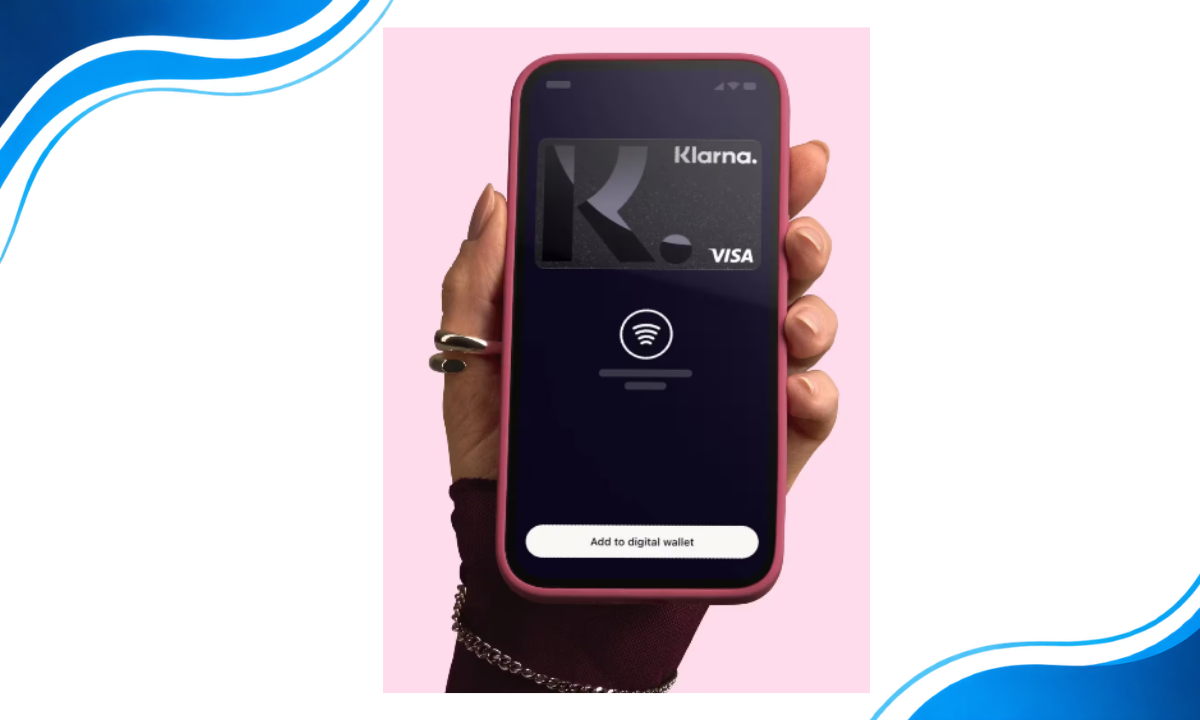
The Klarna Credit Card is positioned as a digital-first payment product for U.S. consumers who want more flexibility than a standard card experience may typically offer. Issued by WebBank pursuant to a license from Visa U.S.A. Inc., the card can be used anywhere Visa is accepted, both online and in stores, while being closely integrated with the Klarna app. This structure reflects Klarna’s broader role in the payments market, where flexible installment options and app-based money management remain central to the customer experience.
One of the card’s most notable features is the ability to choose how to pay for each purchase. According to Klarna’s official product information, cardholders may select between paying in 4 interest-free installments on eligible purchases, paying in full, paying later at the end of the month, moving a purchase to the next month’s statement, or splitting purchases over 3 to 18 months. For eligible transactions of $30 or more, Pay in 4 can be activated in the app within 12 hours of the purchase, with 25% due upfront and the remainder paid every two weeks over six weeks.
Additional advantages highlighted by Klarna include no monthly or annual fees and no foreign transaction fees, which may appeal to frequent travelers and users seeking predictable costs. The application process is also framed as quick and mobile-centered, with Klarna stating that users can apply through the app in about 60 seconds and that the application uses a soft credit check, meaning there is no credit impact to apply. Apple Pay and Google Pay compatibility further reinforce the product’s convenience for mobile wallet users.
Eligibility requirements include being at least 18 years old, being a U.S. resident, having used Klarna before and paid on time at least once, and passing Klarna’s soft-credit-based assessment. The card is available in the 50 states and Washington, D.C., although applications are currently unavailable in Wisconsin.
For readers interested in a card that combines Visa acceptance with Klarna’s payment flexibility, the next step may be worth exploring. Tap below to learn how the Klarna Credit Card application process works and what to expect before getting started.
About Klarna
Klarna is a financial technology company best known for helping shoppers split purchases into simpler payment plans. Founded in Sweden in 2005, the brand expanded internationally and became one of the most recognizable names in the buy now, pay later space. In the United States, Klarna operates primarily as a digital payments platform rather than as a traditional branch-based bank. Its U.S. presence centers on online and in-store checkout solutions, the Klarna app, shopping tools, and payment flexibility designed for everyday retail spending.
Unlike a conventional bank that leads with checking accounts, branches, and broad lending products, Klarna’s identity is more closely tied to commerce and app-based money management. In the U.S., the company is widely associated with options such as Pay in 4, which splits eligible purchases into four interest-free payments, as well as other delayed-payment features available through participating merchants. Klarna also offers a shopping app that brings together personalized deals, price-drop alerts, order tracking, and purchase management in one place. This digital-first model helps explain why the Klarna Credit Card is built to work closely with the app experience rather than as a standalone plastic card product alone.
Another notable point is that the Klarna Credit Card in the United States is officially issued by WebBank pursuant to a license from Visa U.S.A. Inc. That means card acceptance runs on the Visa network, while the user experience, repayment choices, and app controls are shaped by Klarna’s technology platform. The card is designed for shoppers who value convenience, mobile access, and payment choice at checkout and after purchase. Klarna also supports Apple Pay and Google Pay, reinforcing its position as a modern digital finance brand.
Why choose the Klarna Credit Card?
The main reason this card may stand out is its unusually flexible payment structure. Instead of forcing every purchase into the same repayment method, Klarna allows cardholders to choose how to handle eligible spending: Pay in 4 interest-free, pay in full, pay at the end of the month, move a purchase to the next month’s statement, or split it over 3 to 18 months. For consumers who want tighter control over cash flow, this can feel more adaptable than a standard credit card setup.
This product may be especially relevant for people who already use Klarna and are comfortable managing purchases inside an app. It may also appeal to digital-first consumers who prefer mobile wallets, fast application flows, and clear repayment options displayed per purchase. The absence of monthly fees, annual fees, and foreign transaction fees is another strong point, particularly for users who want straightforward ongoing costs or who spend abroad where Visa is accepted.
That said, the card appears best suited to a shopper profile rather than a rewards-maximizing or credit-building profile. The official content emphasizes flexibility and convenience more than points, miles, or premium travel perks. It may therefore be a practical option for consumers who want structured repayment choices and app-based visibility, not necessarily for those seeking luxury benefits or traditional revolving-credit rewards. Eligibility also suggests it is not purely an entry-level open-door card, since applicants must be at least 18, live in the U.S., have used Klarna before and paid on time at least once, and pass a soft-credit-based assessment.
In short, the Klarna Credit Card may be most attractive to existing Klarna users, frequent online shoppers, and consumers who prefer a modern payment tool with flexible repayment paths and broad Visa acceptance.