
Learn: Chase Freedom Rise
A starter card for building credit wisely
Advertisements
Why It’s Worth It
No annual fee
1.5% cash back
Build credit history
No security deposit
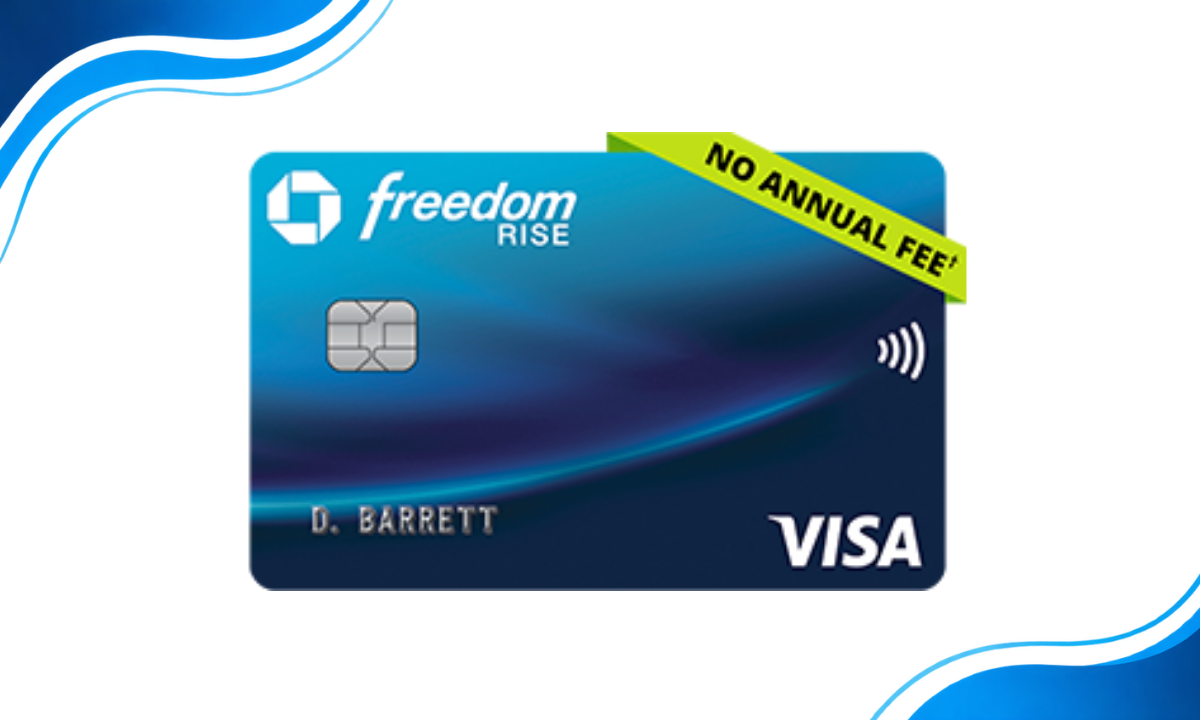
About the Chase Freedom Rise℠ Credit Card
The Chase Freedom Rise℠ Credit Card is positioned as an entry-level option for consumers in the United States who are working to establish or strengthen their credit history. Issued by Chase, it combines basic rewards with credit-building features in a format that may feel more accessible than a traditional secured card, because it does not require a security deposit. That combination makes the card especially relevant for first-time cardholders, students, and others with limited credit experience.
Its core value proposition is straightforward: cardholders earn unlimited 1.5% cash back on all purchases, while also building a record of on-time payments through reporting to the major credit bureaus. For many applicants, that may be the card’s main appeal. Rather than choosing between rewards and credit-building, users are offered both in one no-annual-fee product. Chase also indicates that accounts may be reviewed automatically for possible credit line increases, which may support long-term credit development when managed responsibly.
In addition to everyday cash back, the card includes a few practical extras. New cardmembers may qualify for a $25 statement credit after setting up automatic payments within the first 3 months and remaining enrolled for at least 90 consecutive days. The card also includes access to Chase Credit Journey®, digital account management through the Chase website and mobile app, and Zero Liability Protection for unauthorized charges. Selected merchant-related benefits are also part of the current offer, including limited-time Lyft cash back and DoorDash DashPass-related benefits, subject to terms and eligibility requirements.
Another notable detail is that applicants who have never had a credit card may improve their approval odds by holding eligible Chase checking or savings accounts with a combined available balance of at least $250. This is not a guarantee of approval, but it may be relevant for those already banking with Chase.
For readers comparing beginner credit cards, the Chase Freedom Rise℠ stands out for its mix of $0 annual fee, simple rewards, and a direct focus on building credit. To see how the application process works and what to prepare before applying, continue to the next page and learn the key steps involved.
About Chase
Chase is one of the best-known financial brands in the United States and operates as part of JPMorgan Chase & Co., one of the largest banking groups in the world. Its roots go back many generations through predecessor institutions that helped shape modern American banking. Today, Chase is widely recognized as a traditional full-service bank rather than a digital-only institution, with a strong physical branch network, a large ATM footprint, and a broad online and mobile banking presence.
In practical terms, that scale matters. Chase serves millions of consumers and businesses across the country and offers a wide mix of products beyond credit cards. These include checking accounts, savings accounts, mortgages, auto financing, personal banking tools, business banking, investing services, and loans. For consumers who prefer to keep several financial products under one brand, that ecosystem can be a meaningful advantage. It also helps explain why Chase often connects card products with broader relationship banking features, such as the Freedom Rise approval-odds boost tied to eligible Chase deposit accounts with qualifying funds.
Another relevant point is that Chase combines the familiarity of a long-established bank with the convenience expected from modern banking. Customers can manage accounts through Chase.com and the Chase Mobile app, receive account alerts, monitor credit through Chase Credit Journey®, and access customer support around the clock. For applicants who may be opening one of their first credit cards, that combination of digital access and established infrastructure can feel reassuring.
Chase is also a major player in the U.S. credit card market, with products that range from entry-level cards to premium travel cards. That breadth is important because it means a first card with Chase can potentially become the starting point of a longer relationship, depending on how the customer’s credit profile evolves over time.
Why choose the Chase Freedom Rise℠ Credit Card?
The Chase Freedom Rise℠ Credit Card is best understood as an entry card for credit building. It is aimed at people with limited or no credit history, including students, young adults, and consumers who want to rebuild their credit profile. Its strongest selling point is that it offers a path into the credit system without requiring a security deposit, which makes it different from many starter cards that are secured products.
At the same time, the card does not ask the customer to give up everyday value. It earns unlimited 1.5% cash back on purchases, charges a $0 annual fee, and reports payment activity to the major credit bureaus. For the right user, this creates a simple and practical proposition: use the card for manageable spending, pay on time, and build credit while still earning rewards. That may be especially attractive for someone looking for a first credit card that is easy to understand.
The card may also be a sensible fit for existing Chase banking customers. Officially, applicants who have never had a credit card may improve their chances of approval by having eligible Chase checking or savings accounts with a combined available balance of at least $250, although approval is never guaranteed. That feature gives the product an added layer of relevance for those already inside the Chase ecosystem.
Overall, the Freedom Rise is not designed as a luxury travel card or a high-income status product. It is more accurately described as a starter rewards card from a traditional bank. Its value lies in accessibility, simplicity, and the possibility of building healthy credit habits from the beginning. For readers seeking a beginner-friendly card from a major U.S. issuer, it stands out as a practical option worth considering before moving on to more advanced cards in the future.