Cybersecurity for Your Wallet: Protecting Personal Finances Online
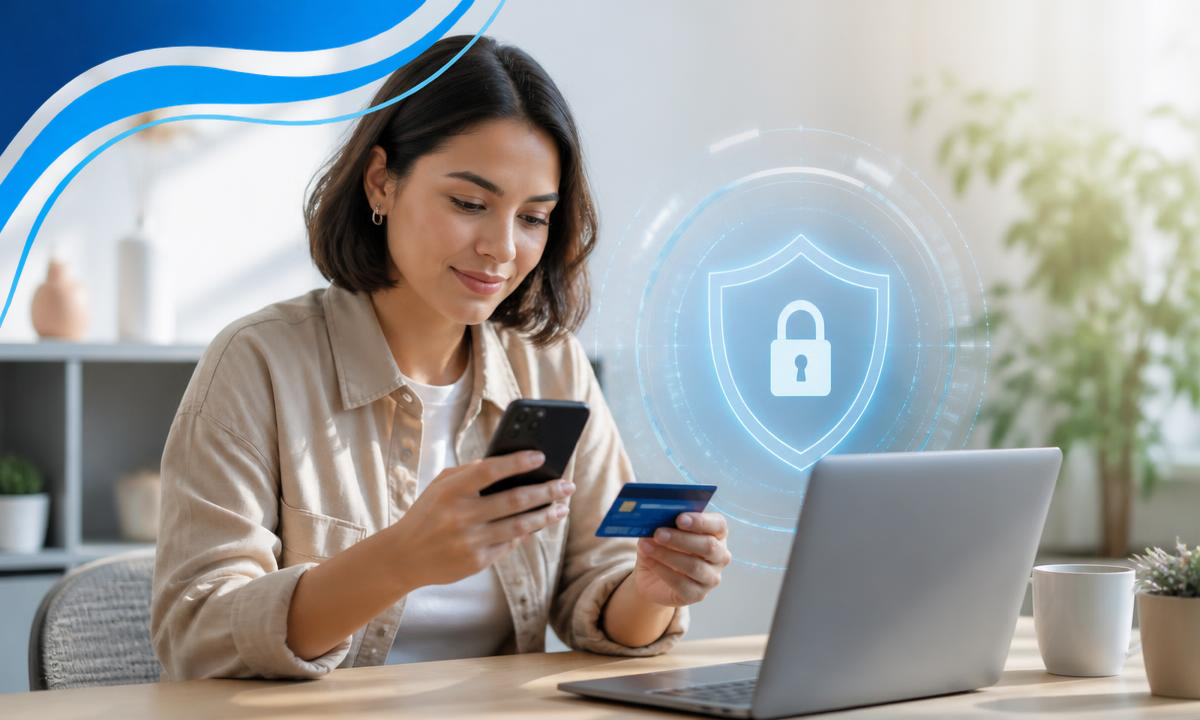
Managing personal finances online has become an essential part of daily life for many. From banking on our phones to shopping with saved cards and automatic bill payments, digital convenience is widespread. While these advancements save time, they also create more opportunities for cybercriminals to target sensitive data, account access, and payment details.
Protecting your personal finances online is no longer just a technical concern. It is a crucial personal finance habit, as vital as budgeting or reviewing your statements. A strong approach to online financial security helps to significantly reduce the risk of fraud, identity theft, and costly disruptions that can take weeks or months to resolve.
This guide will explore common threats, practical defense strategies, and what actions to take if something goes wrong. For those also enhancing their financial resilience, our guide on inflation-proofing your budget can provide valuable insights. It helps prepare you for unexpected expenses, including those that might arise from fraud recovery efforts.
The Growing Need for Digital Financial Security
Your online financial landscape likely extends beyond a simple checking account. It often encompasses credit cards, mobile payment apps, investment accounts, tax software, and numerous shopping platforms. Each digital account, while convenient, can potentially become an entry point for cybercriminals seeking unauthorized access.
Financial information remains exceptionally valuable due to its immediate usability. A compromised password can unlock access to various accounts. A leaked card number might be used for unauthorized purchases. Crucially, a stolen Social Security number can enable new-account fraud or complex identity theft, which are often much harder to resolve than a lost card.
Understanding Financial Cybercrime and Identity Theft
Cybercrime continues to be a significant concern for consumers across the United States. Official reports from the FBI’s Internet Crime Complaint Center highlight the ongoing prevalence of fraud, account takeovers, and identity theft. The losses are not merely financial; they also encompass considerable stress, time, and disruption to daily routines.
Identity theft does not always begin with a dramatic, large-scale hack. Often, it starts with simpler vulnerabilities, such as a weak password, a reused login, a deceptive text message from a fake bank, or personal details exposed in a data breach. Effective financial data protection therefore integrates smart account settings, careful online behavior, and consistent monitoring.
Common Online Financial Scams to Recognize
Phishing remains one of the primary threats to online financial security. This typically involves fake emails suggesting suspicious bank activity and urging you to click a malicious link. Smishing uses text messages for similar deceptive purposes, while vishing occurs over the phone. The consistent goal is to trick you into revealing passwords, security codes, card numbers, or other personal identifying information.
Other prevalent scams exploit emotions or create a sense of urgency. Tech support scams might falsely claim your device has a virus. Government impersonation scams often pretend to be from the IRS or Social Security Administration. Investment scams lure victims with promises of rapid, low-risk returns. Romance and family-emergency scams pressure individuals to send money quickly, preventing proper verification.
A crucial guideline for all online interactions is simple: pause before reacting. If a message instills panic or immediate urgency, avoid using any links, phone numbers, or reply options provided within that message. Instead, navigate directly to the company’s official website or call the number printed on the back of your card. This simple habit significantly strengthens your online fraud prevention.
Strengthening Your Online Financial Security Habits
Fortunately, robust cybersecurity for your finances does not demand advanced technical expertise. In most situations, improved protection stems from a few consistent and repeatable habits. It is beneficial to begin by securing your login credentials, then moving to your devices, networks, and finally, your monitoring routines.
Fortifying Account Access
Using Strong Passwords and Multi-Factor Authentication
Effective password management is critical, as passwords remain a prime target for cybercriminals. Always use long, unique passwords for every financial account, including the email address linked to them. Reusing a single password across multiple sites can lead to a cascading security failure if one site is compromised, affecting all linked accounts simultaneously.
A reliable password manager can significantly simplify this process. It generates and securely stores complex passwords, meaning you only need to remember one strong master password. This approach helps eliminate risky shortcuts, such as using simple, easily guessed passwords or saving them insecurely in notes.
Multi-factor authentication (MFA) represents one of the strongest available defenses. MFA requires more than just your password to log in; it might involve an app-generated code, a physical hardware key, or a biometric step like a fingerprint scan. For banking, app-based codes or authentication keys are generally more secure than relying solely on text-message verification when better options are provided.
Securing Online Banking and Investment Platforms
For enhanced online banking security, proactively review all available settings offered by your financial institution. Enable login alerts, transaction notifications, and confirmations for account changes. Many banks and brokerages also allow you to set spending limits, add travel notices, and enable trusted-device recognition, which can swiftly flag unauthorized access.
Consider compartmentalizing your financial accounts where practical. For example, using one email address primarily for banking and investments and a separate one for general shopping or newsletters can add a layer of separation. This helps in minimizing exposure points across your digital financial life.
If you utilize apps for trading or mobile deposits, confirm they were downloaded from official app stores. Also, ensure automatic updates are enabled. Counterfeit financial apps do exist. Before installing any money-related app, meticulously verify the developer’s name, user reviews, and its direct connection to the official website.
Protecting Credit and Debit Cards
Online and Digital Wallet Security
Credit card security begins by limiting where your card information is stored. While saving a card on numerous shopping sites is convenient, it increases your exposure if any retailer experiences a data breach. It is good practice to remove old cards from unused accounts and deactivate shopping profiles you no longer need.
Digital wallets can offer valuable security enhancements. They often do not share your actual card number directly with merchants during transactions, using tokenization instead. Features like device authentication and biometric verification make online transactions safer than repeatedly entering card details, particularly on your personal mobile devices.
Debit cards demand additional caution because they link directly to your checking account. Should fraud occur, access to your own funds can be disrupted during the investigation period. Whenever possible, activate alerts, utilize card-lock features, and diligently review all transactions. If your bank offers virtual card numbers or temporary card controls, these tools are highly beneficial.
Safe Online Shopping Practices
Before submitting payment details on any website, confirm the address begins with HTTPS and that the domain name is precisely correct. A padlock icon alone is insufficient if the site is merely impersonating a legitimate brand. Red flags include typos, awkward wording, unrealistic discounts, and pressure to complete a purchase immediately.
When making online purchases, using a credit card rather than a debit card is often recommended. Credit cards typically offer stronger consumer protections and less direct disruption to your bank balance if fraud occurs. Avoid purchasing via links found in unsolicited emails or messages. If you are interested in a product, always search for the retailer directly instead of following external links.
Securing Your Devices
Computers, Phones, and Tablets
Your personal devices form the bedrock of your cybersecurity strategy. Keep operating systems, web browsers, banking applications, and security software consistently updated. These updates frequently contain crucial fixes for known vulnerabilities that criminals actively exploit. Delaying updates can leave your device exposed, even with careful password and website habits.
Always use screen locks, enable biometric logins where appropriate, and maintain encrypted backups of important data. Install only the applications and browser extensions you genuinely need. While many free tools are useful, some request far more access than is necessary. Regularly review app permissions, especially for access to SMS, contacts, files, clipboard data, or accessibility settings.
Mobile banking safety also relies heavily on physical control of your device. Avoid leaving your phone unlocked in public places or lending it casually when financial apps are signed in. If a device is lost or stolen, immediately utilize remote-lock and remote-wipe features to protect your accounts while you contact banks and update crucial credentials.
Navigating Public Wi-Fi Safely
Public Wi-Fi networks can pose significant risks to internet banking safety. You might not know who controls the network or if data traffic can be intercepted. Malicious actors sometimes create fake hotspot names to trick users into connecting to insecure networks. For checking financial accounts away from home, a cellular data connection is generally the much safer option.
If using public Wi-Fi is unavoidable, refrain from conducting major financial transactions. Stick to trusted websites and apps only, and consider using a reputable Virtual Private Network (VPN). Disable automatic network joining on your device so it does not connect without your explicit attention. This minimizes the risk of accidental exposure while in airports, hotels, cafes, or shared workspaces.
Proactive Monitoring: Your Essential Defense
While strong preventive measures are crucial, they cannot eliminate every single risk. Consistent monitoring is what truly helps you detect issues early, preventing a small problem from escalating into a major financial crisis. The quicker you identify unfamiliar charges, failed login attempts, or unauthorized address changes, the smoother the recovery process often becomes.
Regularly Review Financial Activity and Credit Reports
Make it a habit to regularly review activity across your checking, savings, credit card, and investment accounts. Small unauthorized charges can sometimes be test transactions before larger fraudulent activities follow. Be vigilant for unfamiliar merchants, duplicate transactions, unexpected password-reset emails, or notifications of profile detail changes.
It is also wise to regularly obtain and review your credit reports from the three major credit bureaus. New accounts opened in your name, suspicious hard inquiries, or unrecognized address changes may indicate identity theft. If you uncover any suspicious activity and need a recovery strategy, IdentityTheft.gov is an official, key resource from the FTC.
Setting Up Fraud Alerts and Account Notifications
Real-time alerts can significantly boost the effectiveness of your financial cyber protection. Configure notifications for purchases made without your physical card, transfers, password changes, new payees, and large withdrawals. Most financial institutions offer alerts via their app, text message, or email. Choose the notification method you are most likely to notice promptly.
For broader identity theft protection, consider placing fraud alerts or initiating a credit freeze if you suspect your personal information has been exposed. A credit freeze makes it considerably more difficult for criminals to open new accounts using your name. This extra step is especially valuable following a data breach involving Social Security numbers or other sensitive records.
Responding to Financial Data Compromise
If you sense something is wrong with your financial data, act immediately. Delaying action can provide criminals with more time to inflict further damage. Your primary goal should be to contain the compromise, secure account access, and meticulously document everything that has occurred. Swift action can significantly reduce the potential financial, time, and stress impact.
Immediate Actions to Contain Damage
First, contact your bank, card issuer, or payment platform through their official support channels. Request to lock or freeze affected cards, dispute any unauthorized charges, and inquire whether accounts need to be closed or credentials reset. Subsequently, change passwords for all compromised accounts and for the email address linked to them. If you reused that password elsewhere, update those logins as well.
Next, scan your devices for any malware and review recent downloads, browser extensions, and app permissions. If the compromise may be linked to specific online tools, addressing these points promptly can help. Our related articles offer guidance on keeping various financial administrations organized and easier to audit.
Reporting Incidents to the Authorities
In the United States, reporting incidents officially supports your recovery efforts and establishes a crucial paper trail. Report identity theft through IdentityTheft.gov. For broader cybercrime concerns, submitting a complaint to the FBI’s Internet Crime Complaint Center (IC3) is also appropriate. The Federal Trade Commission consumer and the Cybersecurity and Infrastructure Security Agency provide up-to-date guidance on scams and account safety.
If tax fraud is involved, contact the IRS directly. For misuse of your Social Security number, review guidance from the Social Security Administration. In cases of significant theft, filing a local police report can also be beneficial, particularly if creditors or insurers require formal documentation of the incident.
Steps for Recovery from Fraud
Recovery typically involves several key stages: securing compromised accounts, disputing fraudulent activity, reviewing credit files, replacing cards, and updating automatic payments. Maintain thorough records of every call, email, report number, and letter. Comprehensive documentation can be invaluable if claims become complex or if fraudulent accounts reappear later.
After an incident, it is also wise to re-evaluate and strengthen your daily financial security routine. Update all passwords, tighten notification settings, remove stored cards from any unused websites, and confirm your contact information with financial institutions. While a security incident can be frustrating, it can also serve as an opportunity to significantly fortify your personal financial systems.
Official Guidance and Support
Consumers in the U.S. do not have to confront online financial threats without support. Several government agencies offer guidance, complaint systems, recovery tools, and educational resources. The FTC assists with fraud and identity theft. CISA provides practical cybersecurity advice. The CFPB offers consumer-focused financial guidance, and the FDIC provides information on safe banking practices.
These official resources are particularly helpful because scam tactics are constantly evolving. Advice from verified agencies is generally more dependable than information from random social media posts or chain messages. When uncertain, always start by visiting an official government website or your financial institution’s dedicated support page, rather than following links from unknown sources.
The Impact of Financial Cybercrime
Financial cybercrime in the U.S. impacts millions of individuals through various fraud reports, identity theft complaints, scams, and account compromises. While exact figures from agencies change annually, the overarching trend indicates a persistent and significant threat, with potential for substantial financial losses. The consequences extend beyond money, often involving countless hours spent restoring accounts, replacing cards, and repairing credit records.
This reality underscores that cybersecurity for finances is an indispensable component of modern money management. Just as investors carefully assess risk before choosing opportunities, as explored in our article on AI and investing growth stocks, consumers should also actively consider the security risks associated with accounts holding and moving their money.
Building a Secure Digital Financial Future
Achieving strong online financial security is the result of consistent habits, rather than relying on a single perfect tool. It is a combination of strong passwords, multi-factor authentication, secure online banking settings, careful shopping behaviors, updated devices, and regular account monitoring. No single step guarantees complete safety, but each added layer makes it much harder for criminals to succeed.
For a tangible next step, consider creating a brief personal cybersecurity checklist today. Prioritize updating your most crucial passwords, enabling alerts, reviewing your credit reports, and confirming that your banking and email accounts utilize multi-factor authentication. Taking these small, proactive actions now can make protecting your personal finances online significantly more manageable in the long term.
If this article has been helpful, please save it and consider sharing it with family or friends. A more secure digital future often begins with individuals choosing to be a bit more careful, better informed, and considerably more prepared.
Suggested next steps: Download your free online financial security checklist, sign up for our newsletter for weekly cybersecurity tips, and explore more Aquahow articles on budgeting, investing, and everyday money decisions.
About the author